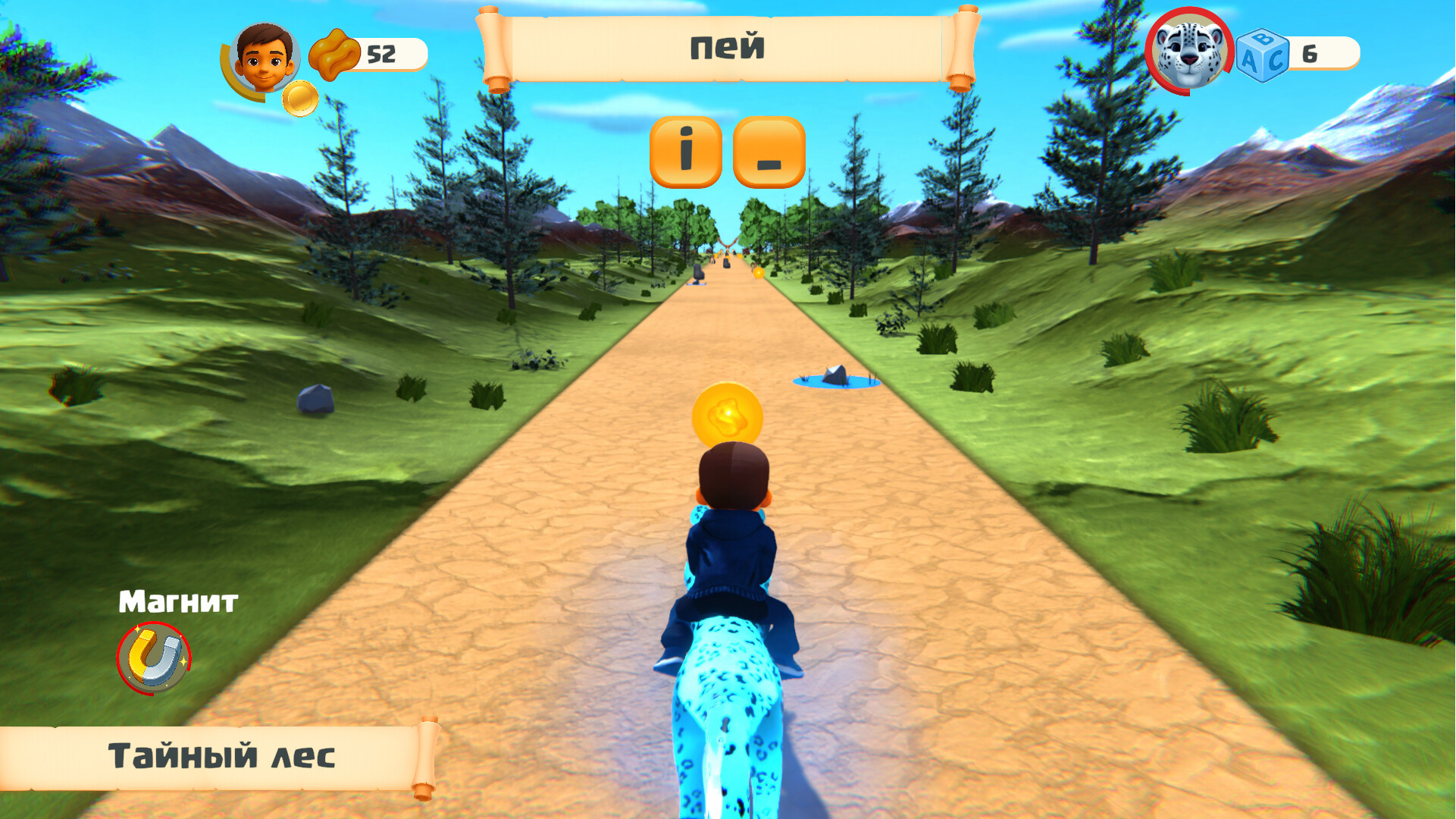
Kazakhstan is discussing the state project Steppe Rider - a video game for learning the Kazakh language developed with budget funds. The game appeared in December on the Steam platform as well as in mobile app stores. According to publications and public procurement documents, the procurement amount was almost 242 million tenge (various materials cite similar figures - about 240–242 million).
What kind of game it is
Steppe Rider was presented as “the first domestic educational game” for learning Kazakh, aimed at an audience ranging from children to young people. Learning elements are built into the gameplay through tasks and tests.
After release, however, users noticed that in fact the project is closer to the runner genre: the character automatically moves forward, and the player reacts to obstacles and collects bonuses/letters.
Where the “almost 250 million” figure came from
According to Tengrinews, the project’s history began in spring 2025: a tender for developing a children’s computer game for teaching the state language appeared on the public procurement portal, with the budget estimated at roughly the same ~242 million tenge. The article also states that the contract was concluded in April 2025, with a supplier company named as the winner; it was noted that payment under the contract was made in full.
Some outlets cite the exact development cost from public procurement data: 241,838,392 tenge.
Why a scandal erupted around the game
The key reason for the discussion is the mismatch between expectations and the result. The Tengrinews investigation notes that the technical specification described the project as “richer” in format (in terms of plot/structure), whereas players actually saw a fairly simple runner, visually similar to mass-market mobile counterparts.
At the same time, criticism of the quality of execution spread on social media and in the media: users complained about a “raw” implementation, poor optimization and outdated graphics. The Village Kazakhstan, for example, cited typical complaints from commenters - from technical flaws to a sense that the product was unfinished.
The amount of spending itself became the main trigger: in discussions, people wondered how a project of this level could cost about half a million dollars when converted.
In a separate article, Tengrinews also referred to data on audience activity on gaming platforms and pointed to low player retention, which intensified public questions about the efficiency of the spending.
What the authorities said
After a wave of questions, the Ministry of Science and Higher Education and representatives of the language policy committee explained the project’s cost by the “scale of development”: according to them, the game was made for several platforms at once, and the cost included 3D production, adaptation, testing and optimization; several dozen specialists and a development period of several months were mentioned.
It was also reported that in 2026 the project is planned to be developed as part of warranty support, without additional payments: plans to expand content and add new mechanics/modes were announced.
Why this story became prominent
The Steppe Rider situation struck a nerve in the public debate about how the state spends money on digital products. As a result, the discussion quickly went beyond “liked/didn’t like the game” and turned into an argument about what level of quality a budget-funded project should have and how its cost is publicly explained.