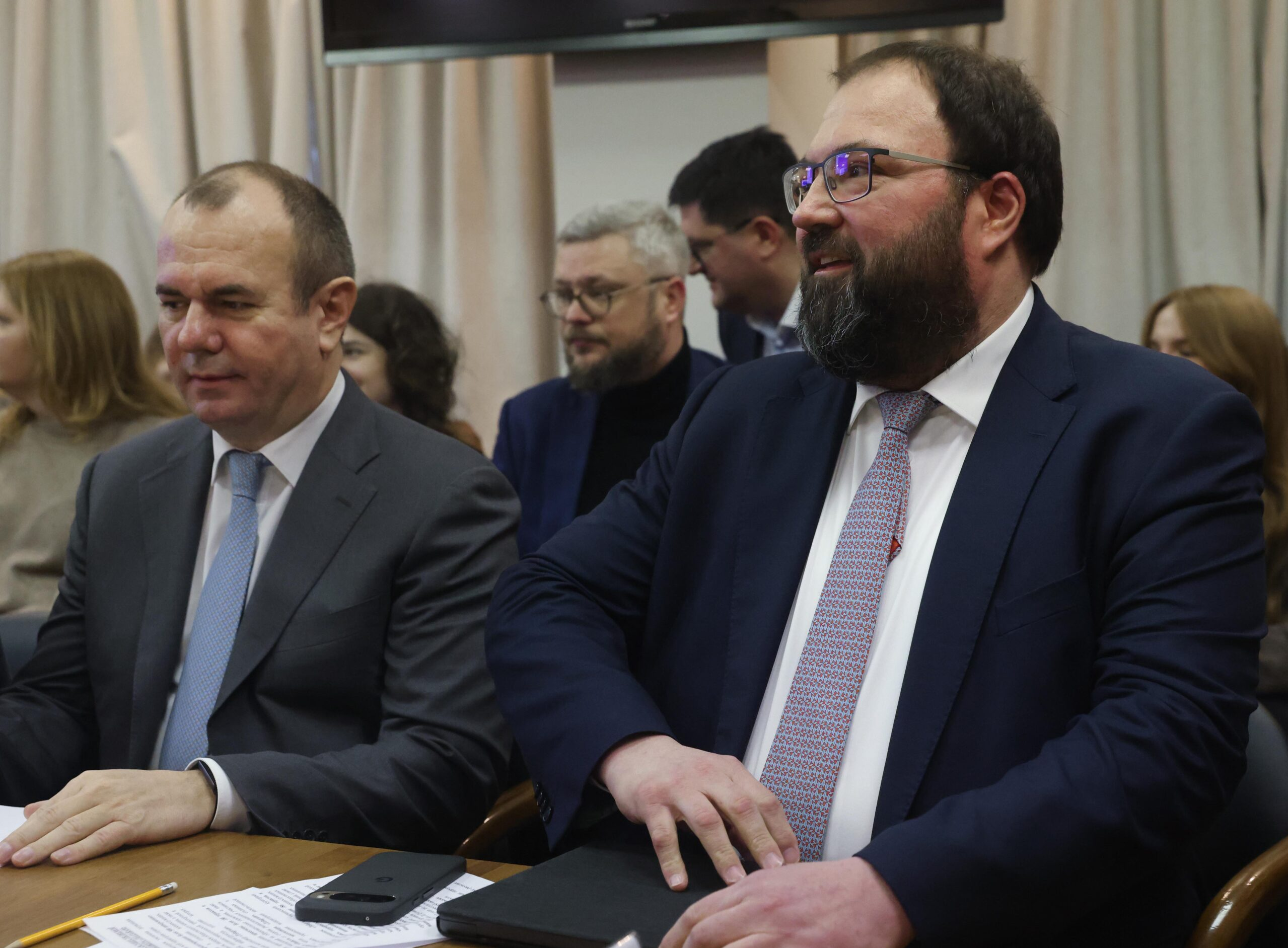
The IT industry’s share of Russia’s GDP in 2025 was 2.7%, up 0.2 percentage points compared to 2024. This was stated by the head of Russia’s Ministry of Digital Development, Maksut Shadayev, speaking at the State Duma.
According to the minister, the growing share of IT in the economy means that the industry is developing faster than the economy as a whole. He also noted that, looking at the dynamics of recent years, the IT sector’s contribution to GDP has “doubled” compared to 2020.
One of the key indicators highlighted by the ministry was the growth in sales of domestic IT solutions and services. According to the data provided, in 2025 the volume of such sales increased by 14.5% and reached 5.15 trillion rubles. At the same time, the registry of domestic software also grew: the number of products in it reportedly increased by 20% — to 29.6 thousand
The speech also included labor market statistics. At the end of 2025, the number of employees in the IT sector is estimated at 1.12 million people, which is 13% more than the previous year. The average salary of specialists in the industry, according to the figures cited, was 217.7 thousand rubles, up 11.2% year on year.
As one of the measures to support talent, the minister mentioned the continuation of the preferential mortgage program for employees of IT companies. According to him, in 2025 the program was used by 11.75 thousand people, and in total since its launch — by 93 thousand specialists. The program covers the country’s regions except Moscow and Saint Petersburg, which is explained by the goal of retaining talent in the regions.
The figures announced effectively capture several trends at once: the industry’s growing role in the economy, the expansion of the domestic IT solutions market and the widening “showcase” of domestic software. Further dynamics will depend on demand for corporate solutions, government projects, and how quickly companies can scale products and close the talent gap.