Services

AR and VR development

We build VR training simulators, AR apps, 3D tours and virtual showrooms — from the scenario and 3D models to publishing and support. We choose the format and platform to fit the goal: staff training, sales, marketing or wayfinding.

  • VR training and simulators
  • AR in the browser
  • In-house 3D models
  • Headsets and smartphones

What the service includes

Analysis and scenario

We review the project goal, audience and usage conditions. We describe the interaction scenario and choose the platform — headset, smartphone or browser.

3D modeling

We create models of objects, equipment and spaces or optimize your CAD files. We keep the balance between detail and performance.

VR development

We build apps for standalone and PC-tethered VR headsets. We design controls, locomotion and user comfort.

AR development

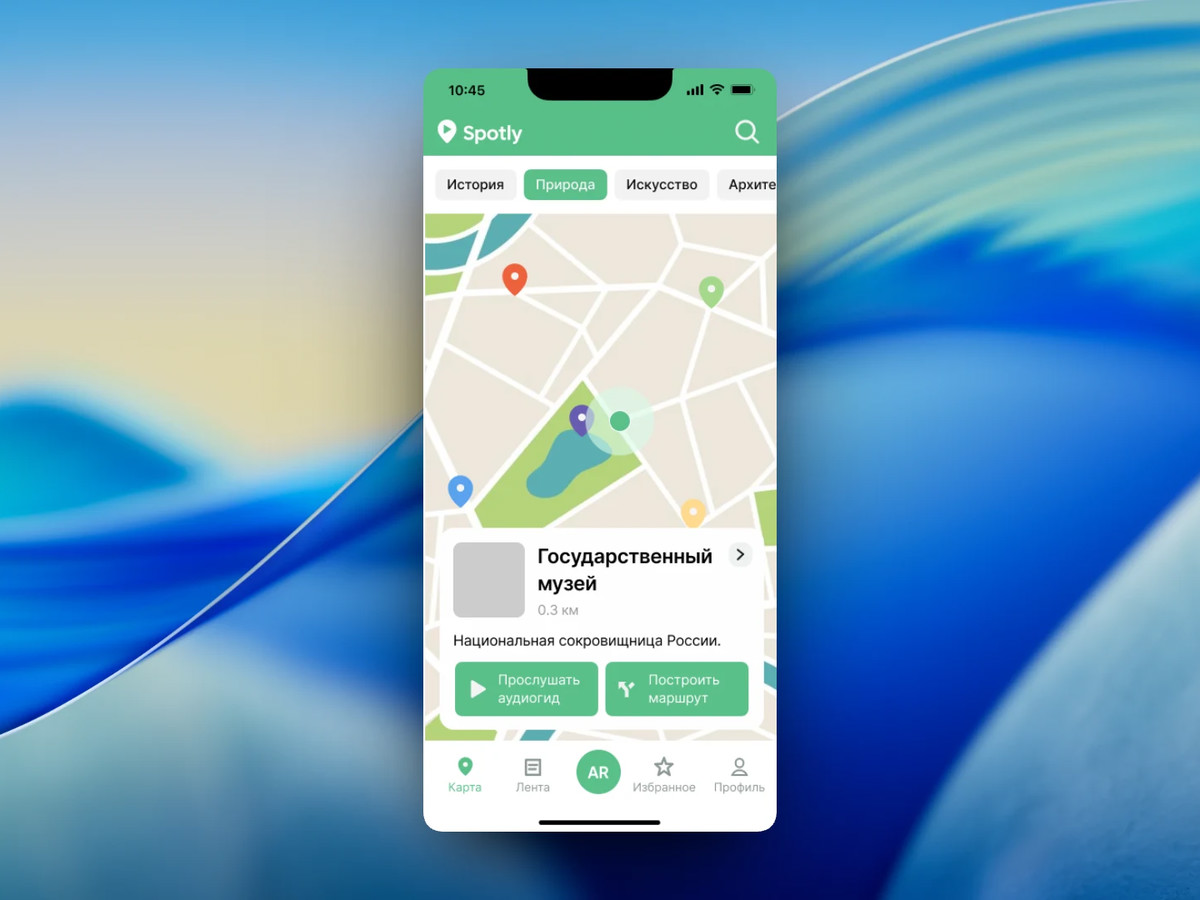
We create AR apps for iOS and Android and WebAR projects that open via a link or QR code. No installation — when reach matters.

Analytics and reports

We collect data on scenario completion and user actions. For training simulators — learning results in a clear report.

Integrations

We connect the solution to your LMS, CRM, product catalog or website. Data on users and results flows into your systems.

AR and VR formats

Each format solves its own problem and requires its own hardware. We'll help you choose the right one — or a combination of several.

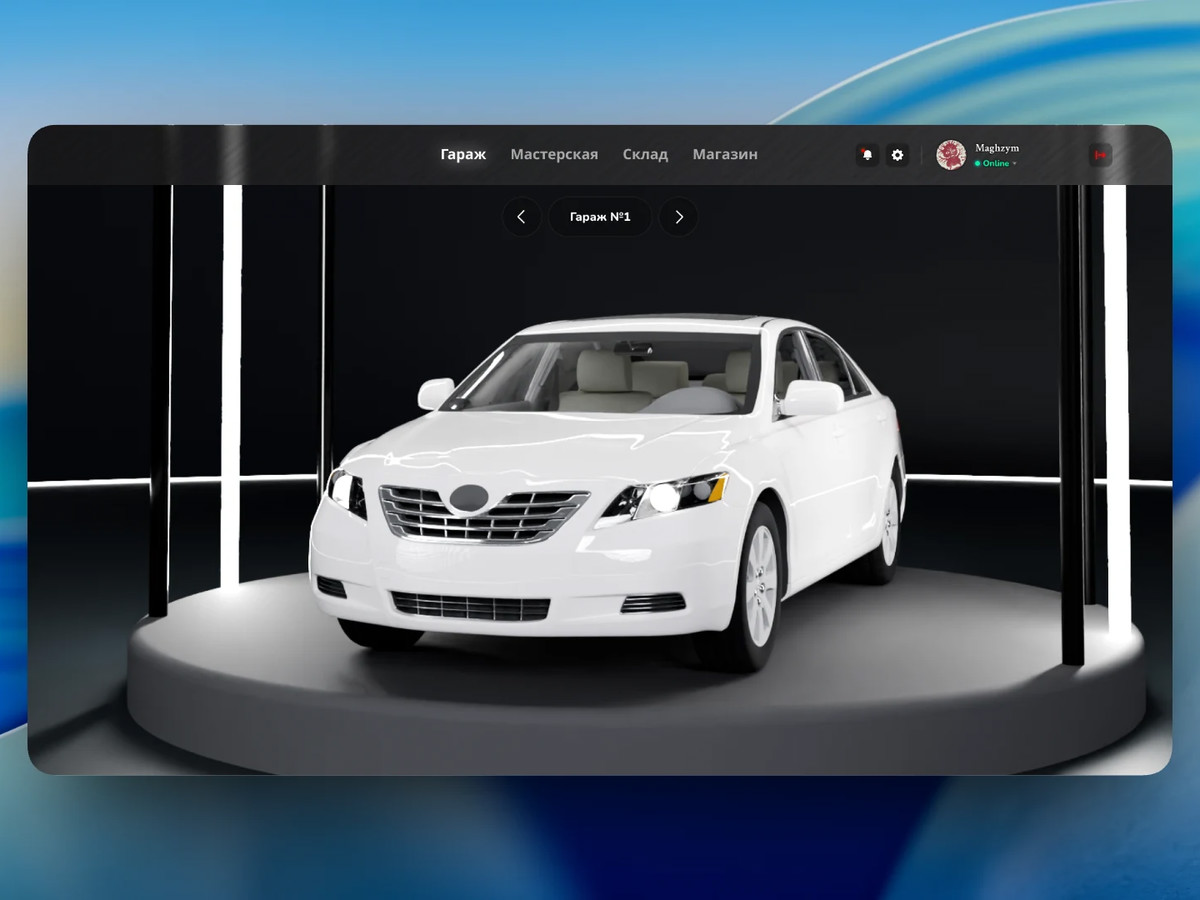
VR training simulators and simulations

Skills practice in a virtual environment: operating equipment, handling emergencies, learning procedures.

  • Safe practice of high-risk operations
  • Repeatable scenarios and performance assessment
  • Training without stopping real equipment

Best when on-site training is expensive, dangerous or impossible.
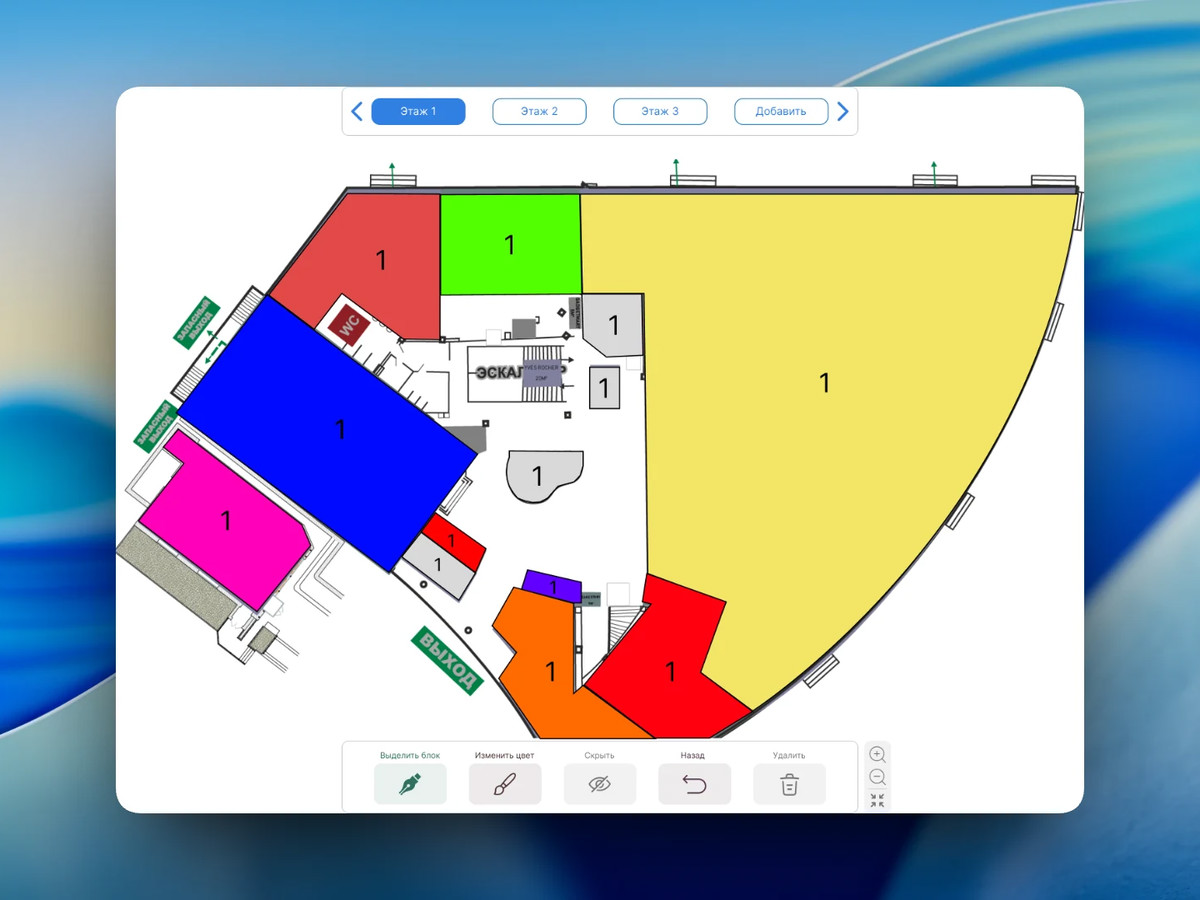
3D tours and virtual showrooms

An interactive space in the browser: a property, a production site, a showroom or a product catalog.

  • Accessible from any device via a link
  • Catalog and inquiries right inside the tour
  • Explore the site without traveling

Best when customers want to see a site or product before visiting or buying.

What you get

  • A finished AR or VR app published in app stores, on your website or on your devices
  • An interaction scenario and its documentation
  • 3D models and scenes with source files
  • Configured analytics and reports on user actions
  • Source code and rights to it as set out in the contract
  • Setup instructions, training and post-launch support

Technologies

  • Unity
  • Unreal Engine
  • ARKit
  • ARCore
  • WebXR
  • Three.js
  • Blender

Engagement models

Fixed price based on specifications

Best when the scenario, platform and set of 3D assets are clear upfront.

We fix the scope and deliverables in the contract. Any scope changes are discussed separately and agreed before work begins.

Estimate the project

Dedicated team

Best for a line of training simulators or a product with a steady flow of new content.

We assemble a team of developers, 3D artists and QA engineers for your project. The team works exclusively on your product and within your processes.

Estimate the project

Frequently asked questions

Which should we choose — AR or VR?
VR fully immerses users in a virtual environment and suits training and simulations. AR adds digital objects to the real world and works better for marketing, sales and wayfinding. We'll help you decide after reviewing your task.
What hardware will we need?
For AR and WebAR, a smartphone or tablet is enough. For VR — a standalone or PC-tethered headset. We'll select devices to fit the scenario and budget and help with setup.
Can you use our 3D models and drawings?
Yes. We use CAD files and existing models and optimize them for real-time performance. If there are no models, we'll create them from drawings, photos or physical samples.
Do users need to install an app?
Not always. WebAR and 3D tours open in the browser via a link or QR code. A native app makes sense when you need complex graphics, offline mode or access to device features.
How do we assess learning outcomes in a VR simulator?
The simulator records actions, mistakes and scenario completion time. Results can be exported to reports or sent to your LMS.
Who will update the content after launch?
We can handle maintenance and add new scenarios and models. Or we hand over the source files and documentation to your team. Support terms are agreed separately.

Let's discuss your AR or VR project

Tell us about your task — we'll suggest a format, platform and development approach.